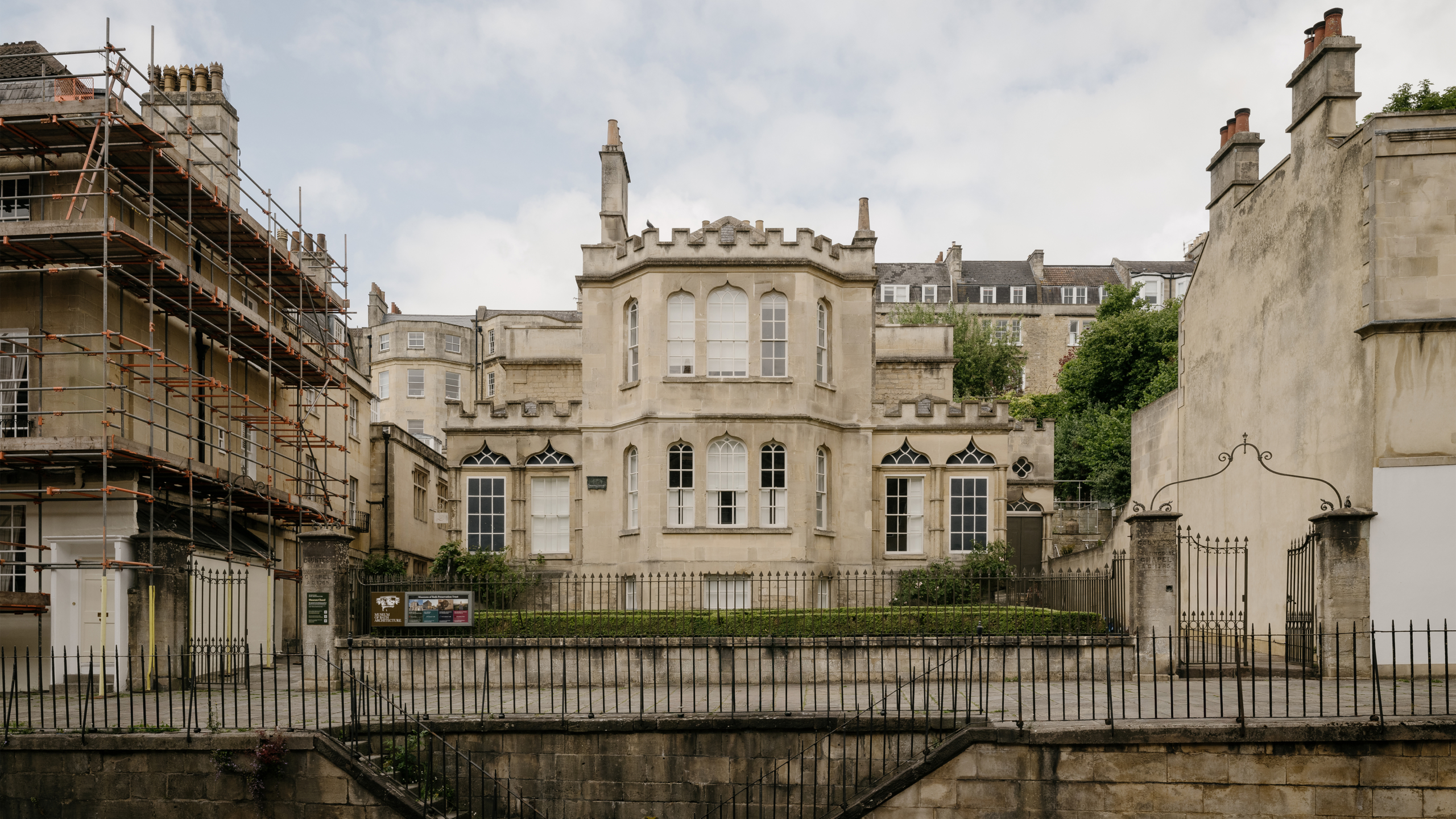
Museum of Bath Architecture
Bath, 2025
James Grayley Architects were commissioned by the Bath Preservation Trust to evaluate the historic complex of buildings at the Countess of Huntingdon Chapel, and consider the long-term opportunities to retrofit and redevelop the building to bring it back into successful and sustainable use.
An initial feasibility study revealed areas of the existing building fabric that needed immediate remediation work. It also identified opportunities to improve the building’s thermal performance and energy efficiency. Supported by Arts Council England’s ‘MEND’ funding, these initial works were completed in 2025.
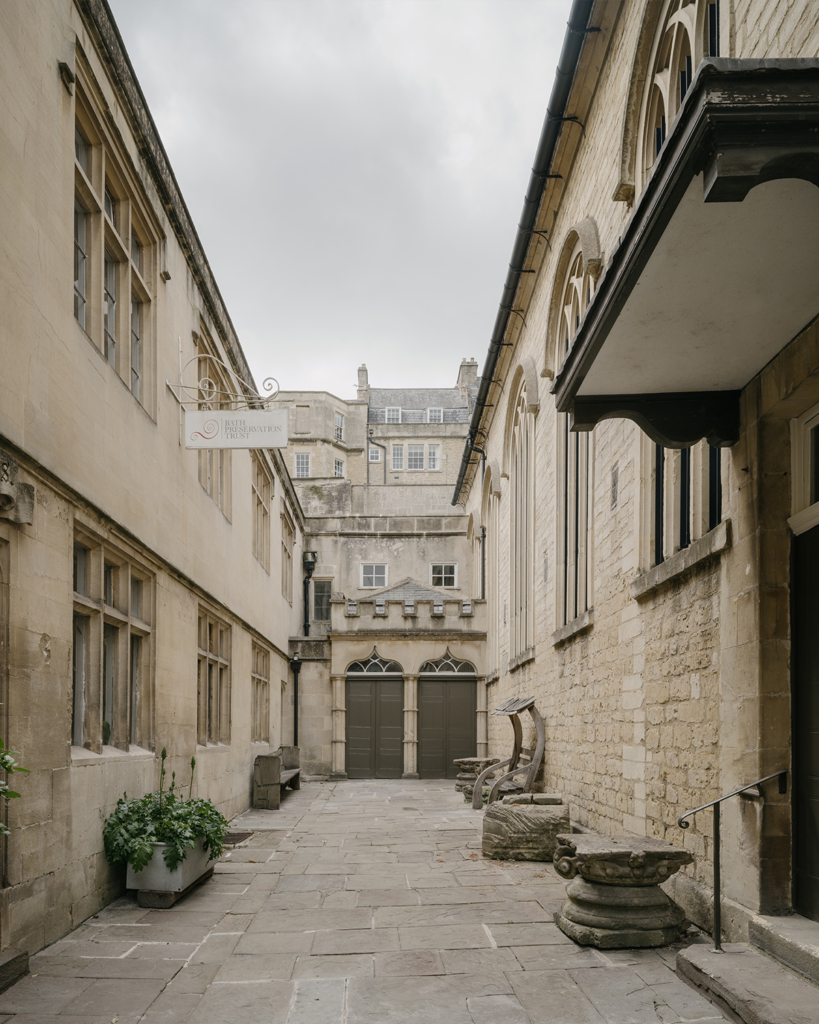
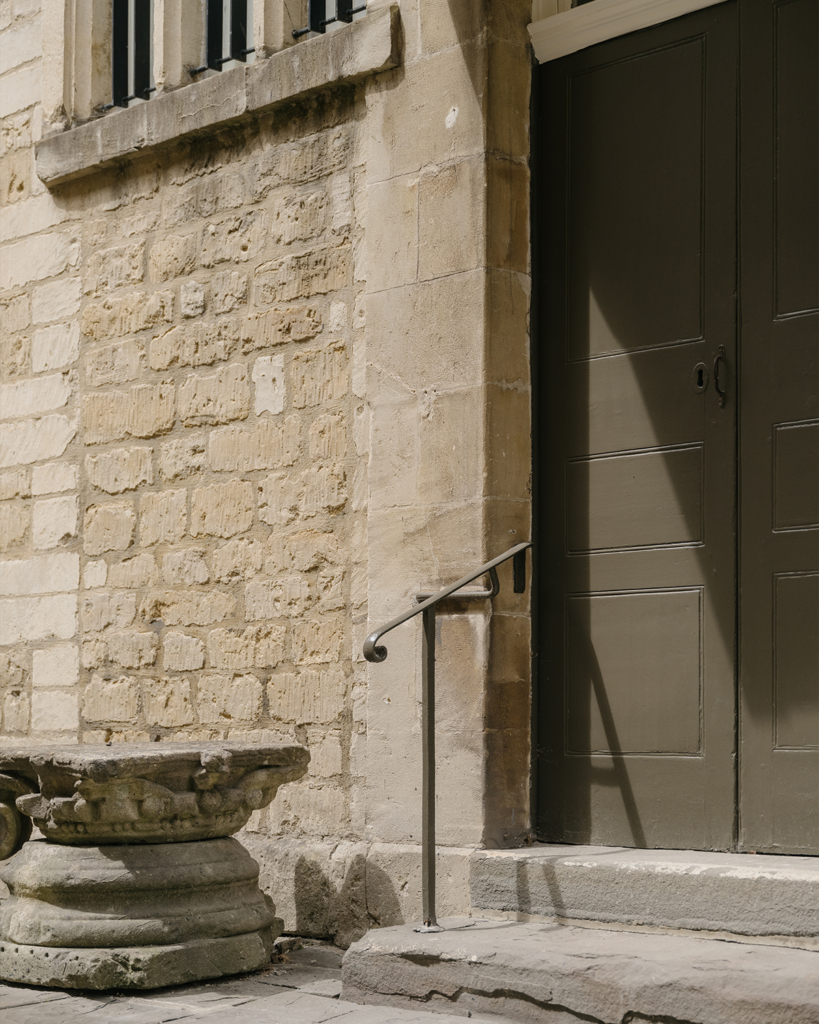
The repair and upgrade works have successfully addressed the most urgent areas of the building fabric while also considering its future development. These works showcase the ability to retrofit complex historic buildings with advanced thermal upgrades and technologies, significantly enhancing building performance while preserving its historic fabric.
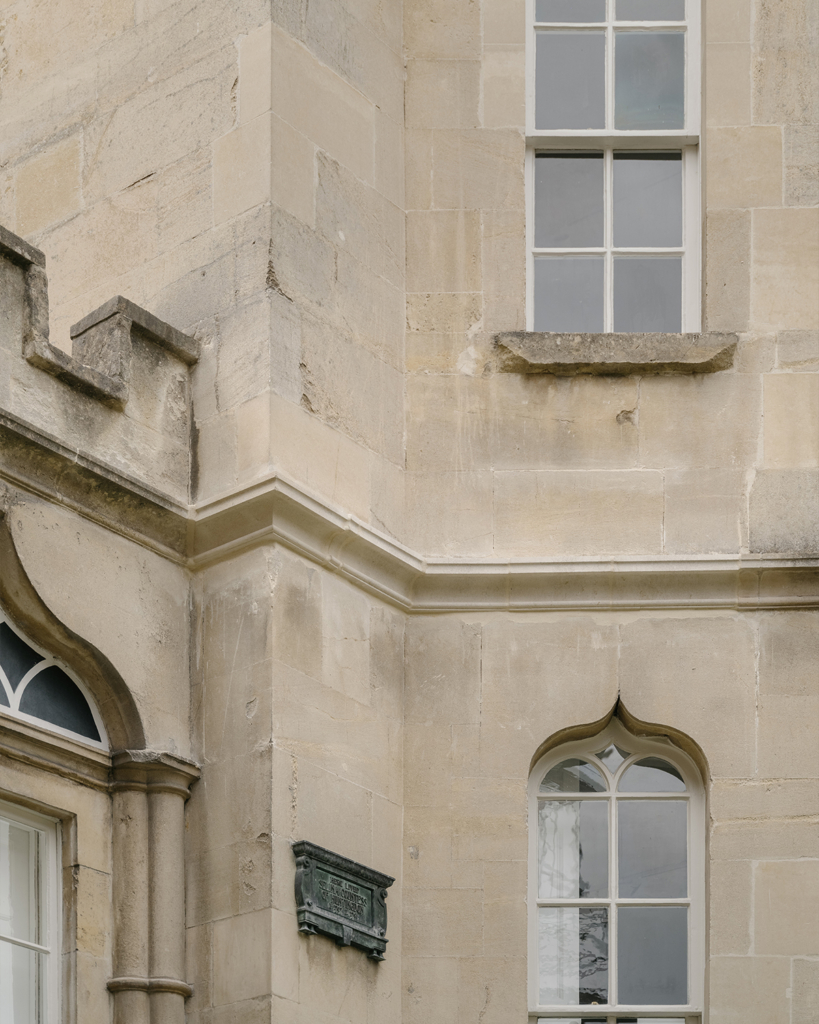
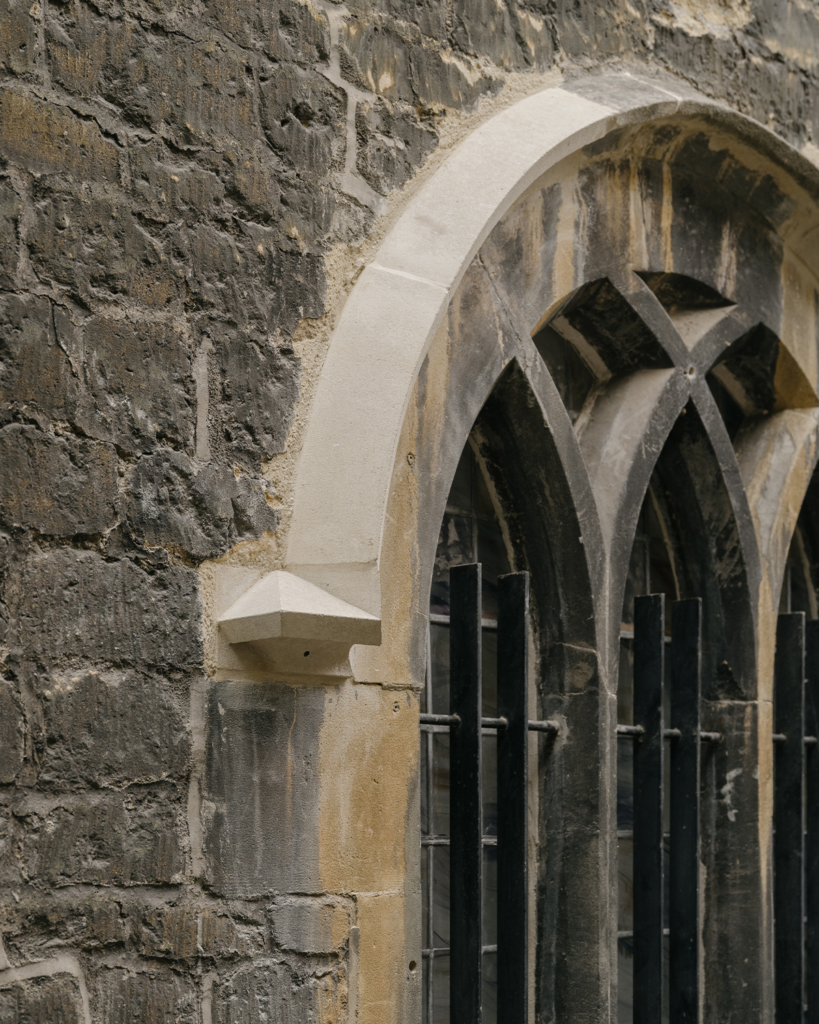
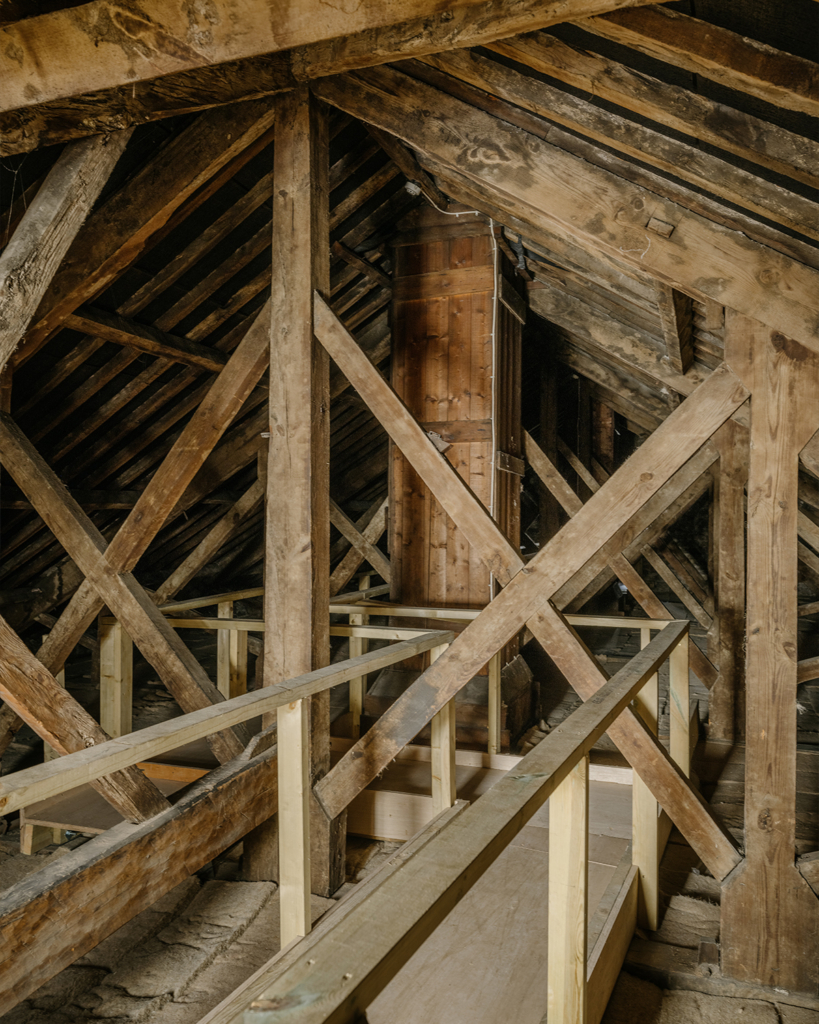
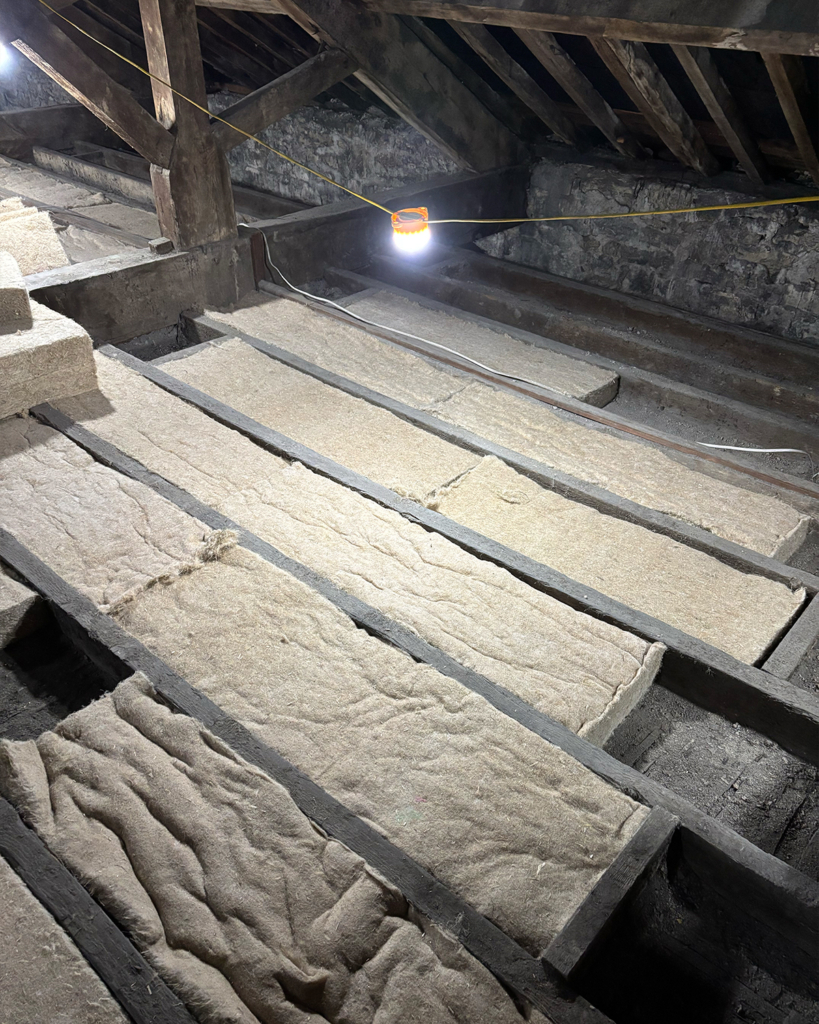
The works focussed on completing essential urgent works and included repairs to the existing chapel roof, stonework repairs, the restoration of an historic roof lantern, leadworks, and a significant programme of timber repair works to existing windows and doors, including draftproofing works. Works to the roof structure included creating safe access to the existing roof space and external roof access for maintenance, and the installation of bio-based insulation to the roof space.
A sustainable future museum
Bath, 2025
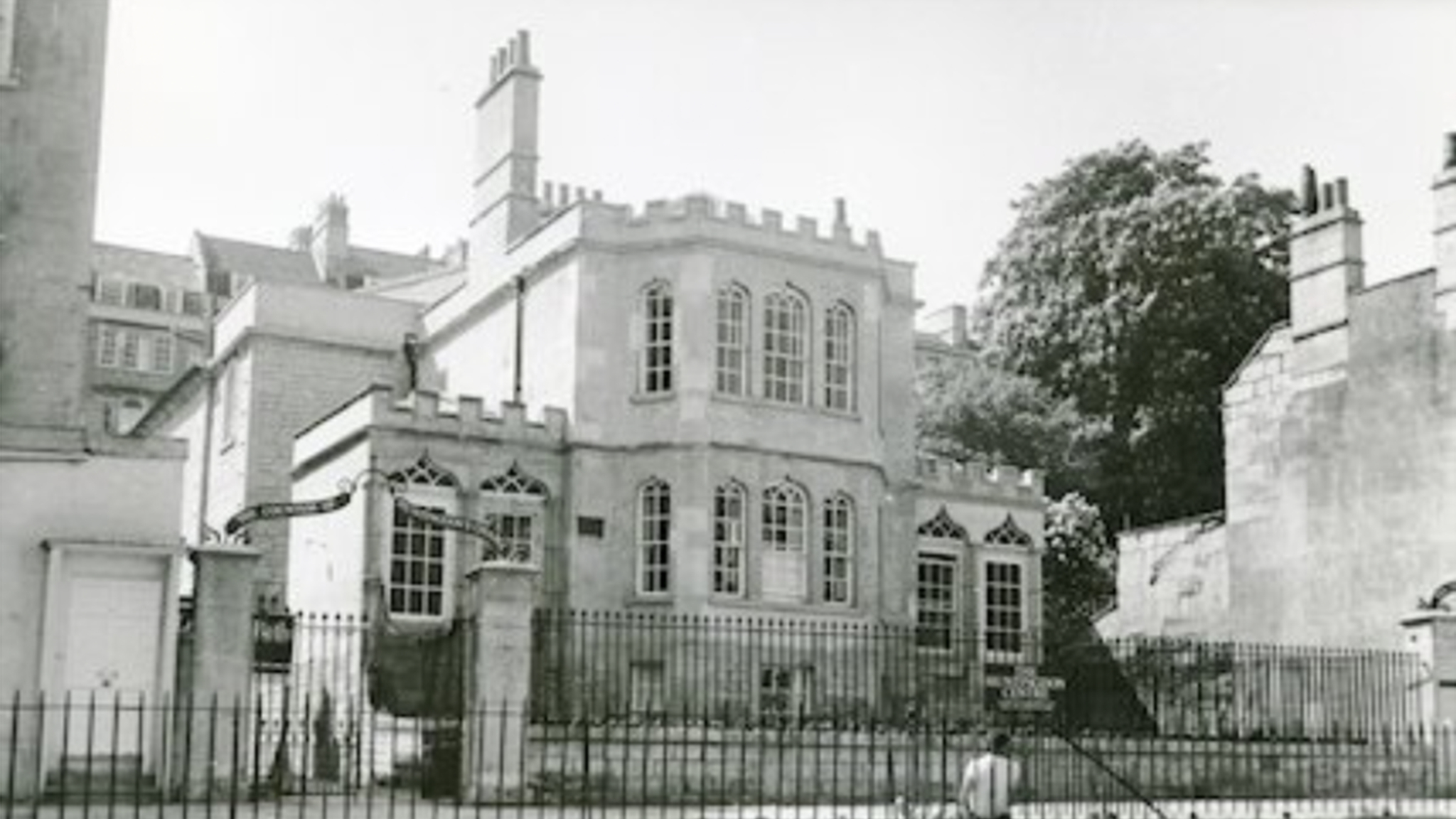
The Museum of Bath Architecture is housed within the Grade II* Listed Countess of Huntingdon’s Chapel, a building which has undergone almost constant adaptation since it’s construction in response to the rise and fall in congregation numbers and later works to accommodate the museum.
The existing building complex presents challenges for a 21st-century museum and event space. The former chapel’s large volume is inefficient for exhibitions, and the first-floor gallery restricts usable space and circulation. Additionally, curatorial restrictions exist due to the chapel’s age, requiring careful light and climate control for sensitive exhibits.
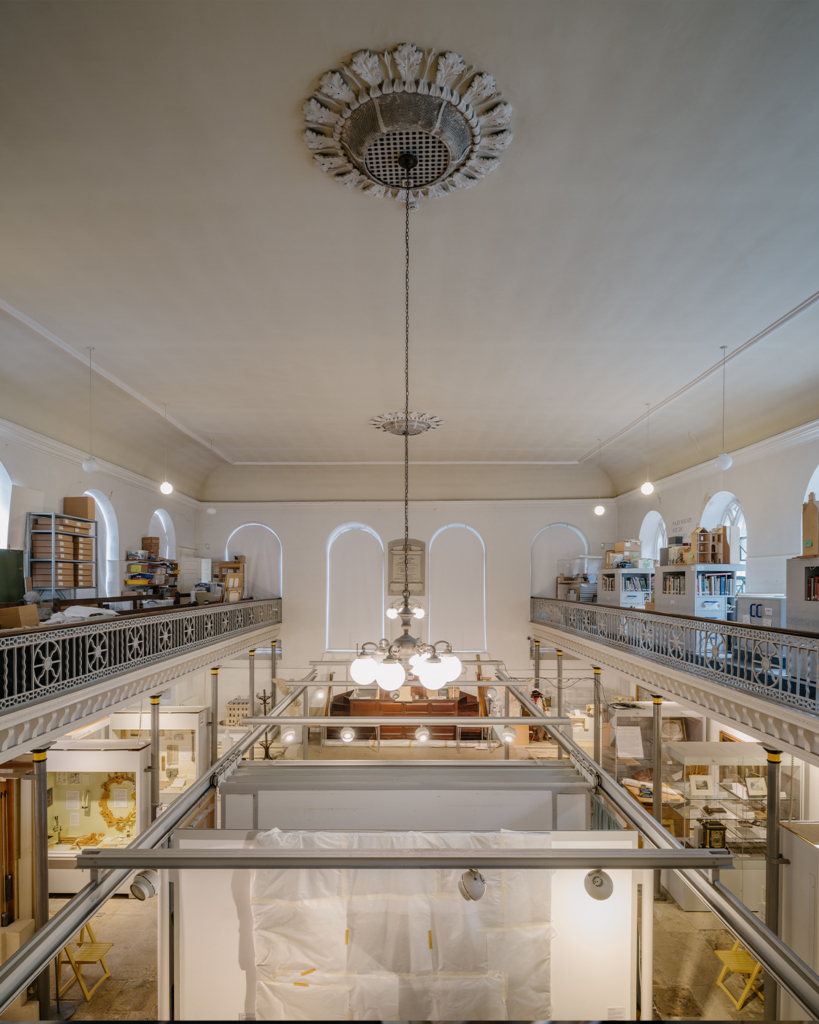
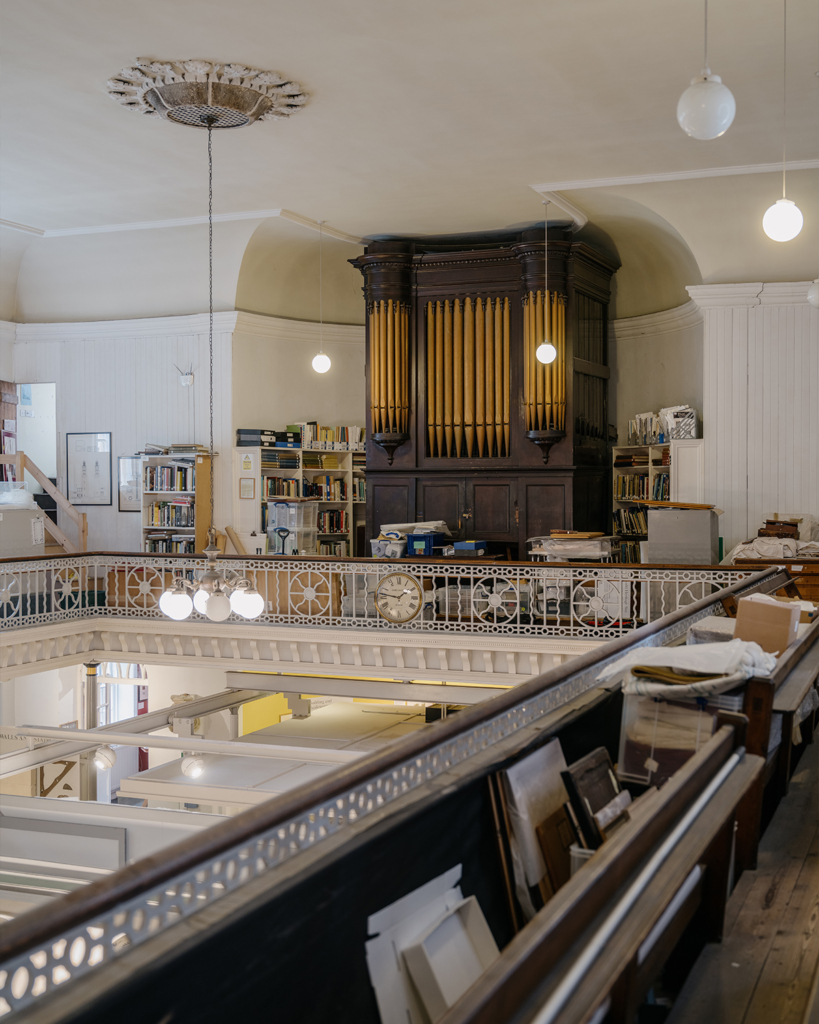
An initial feasibility study by James Grayley Architects explored how the building could be repurposed as a multi-functional institution. This would allow it to host a wide range of educational functions and activities, conserving and celebrating the historic building while engaging in global debates and promoting sustainable enhancements.
The proposed works would also enable an evaluation of the Museum and its extensive collection, helping to determine how the rich history of the World Heritage Site can be told. This would serve as a record of a city in constant change and provide a contextual backdrop for discussions about its future.
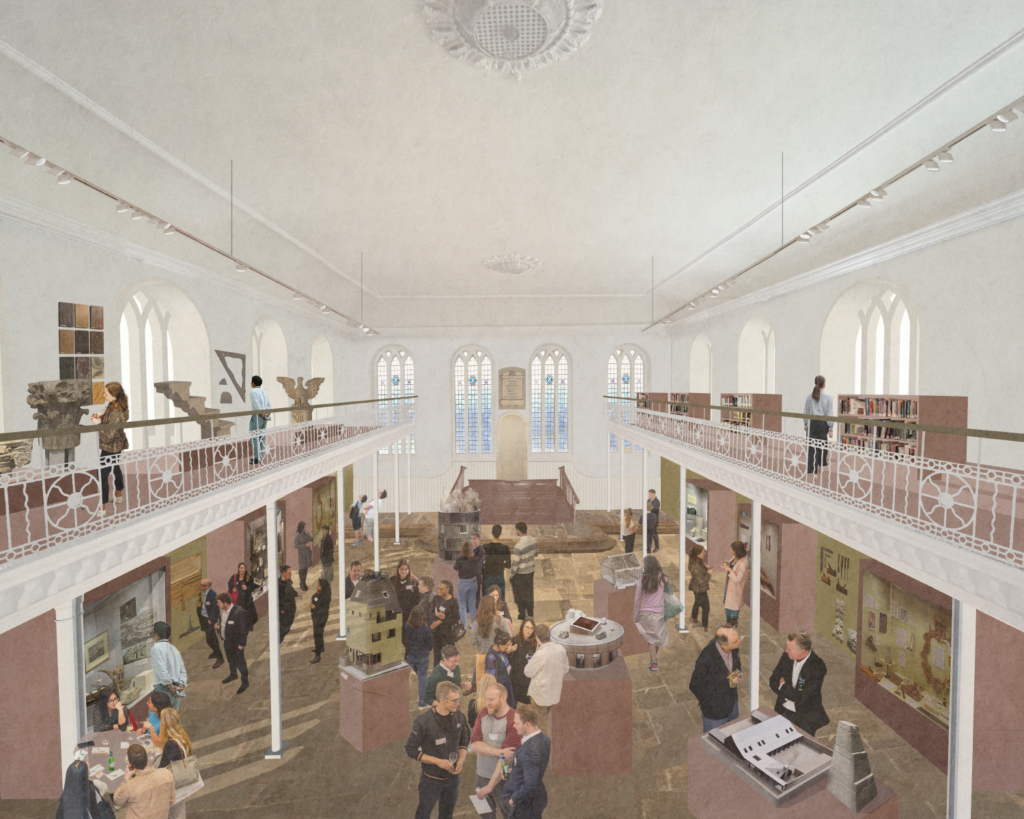
The reopening of the Museum of Bath Architecture in 2024, a vibrant event lecture series and the carrying out of fabric repair works to the historic building presented an opportunity to ask bold questions about the future positioning of the museum, it’s focus and it’s draw within the city.
We led a public consultation process with an exhibition designed and installed within the chapel to engage visitors and stakeholders with the concept of change at the Chapel and to seek thoughts and ideas about the current building, the Museum, its collections and the future.
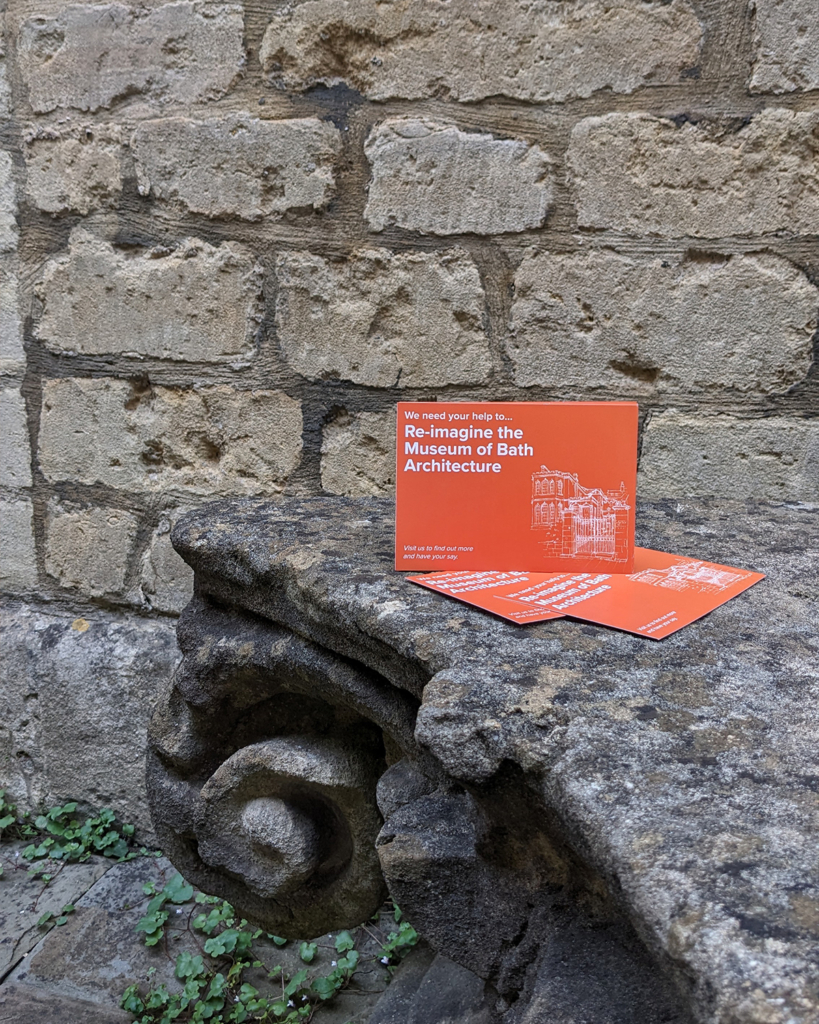
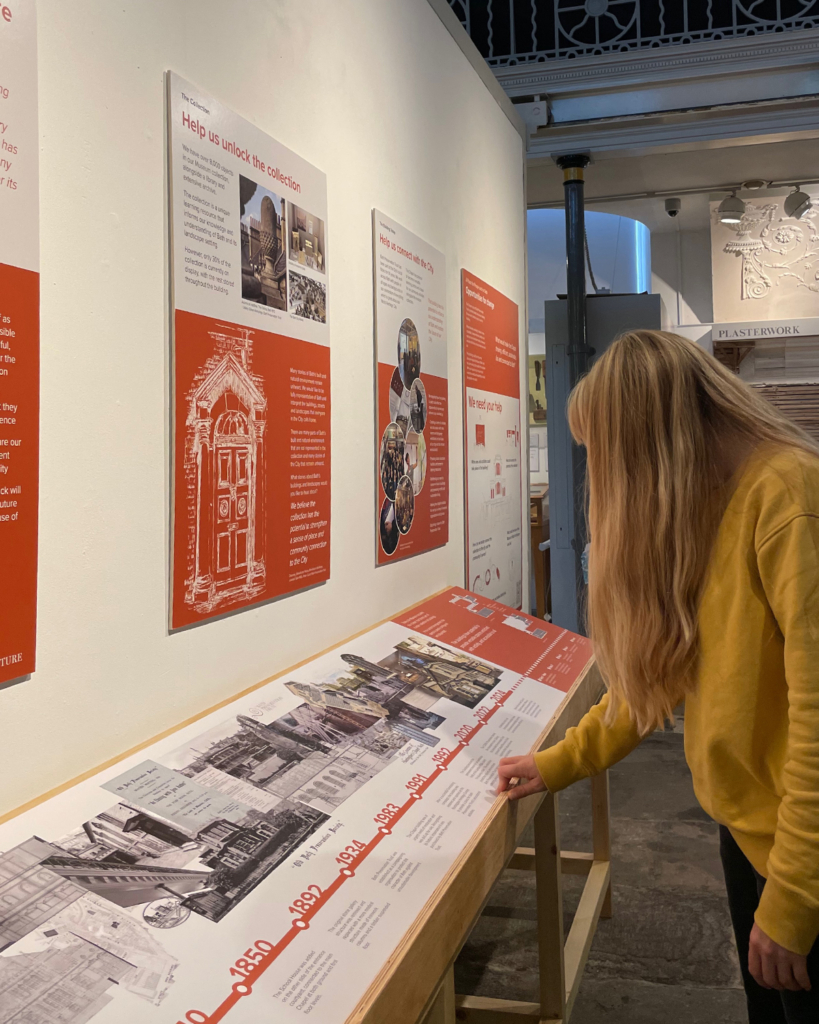
The consultation response provides an evidence base for the need for change with a desire for the building to hold a broader social purpose as a place to engage with conversations about the past, present and future of the city of Bath and will form the basis for developing the future proposals for the museum.
